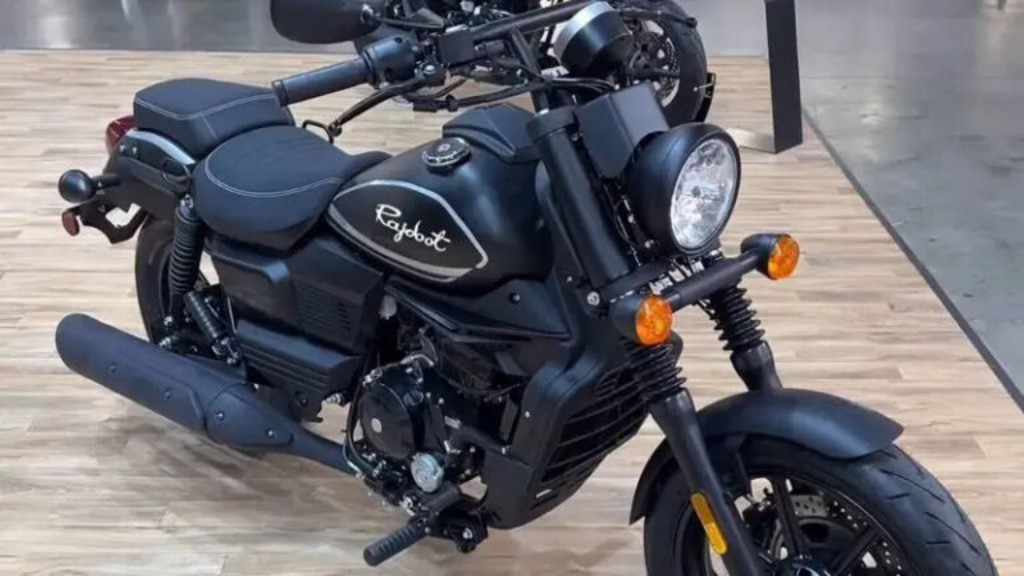
There was a time when the name Rajdoot echoed across Indian roads with pride and power. Launched in the 1980s, the Rajdoot motorcycle was not just a mode of transport, but a symbol of strength, reliability, and social status for countless Indian families. Manufactured by the Escorts Group and inspired by Yamaha’s engineering, this bike created a legacy that still lives on in the memories of riders who experienced its raw sound and solid presence. Even today, Rajdoot is remembered as one of the most iconic motorcycles India has ever seen.
Classic design and build
The Rajdoot carried a simple yet robust design that perfectly suited Indian road conditions of that era. Its strong metal frame, upright riding posture, and practical styling made it ideal for both city use and rural landscapes. The bike featured large wheels, a comfortable seat for long rides, and a fuel tank designed for extended journeys. With its durable suspension setup and overall weight balance, the Rajdoot felt stable and dependable, which is why it became a favorite in villages and small towns.

Engine and riding experience
At the heart of the Rajdoot was a 175cc two-stroke, single-cylinder engine known for its punchy performance and distinctive exhaust note. The engine was paired with a 4-speed gearbox and delivered enough power to handle rough roads, heavy loads, and long-distance travel. While it was not built for high-speed racing, the Rajdoot offered strong low-end torque and a rugged riding experience. Its engine durability made it popular among farmers and daily users who needed a motorcycle that could take abuse and still perform consistently.
Mileage and practicality
In terms of fuel efficiency, the Rajdoot delivered mileage figures that were reasonable for a two-stroke motorcycle. Depending on riding style and road conditions, it typically offered moderate fuel economy while keeping maintenance costs low. The bike was easy to repair, spare parts were widely available, and local mechanics were well-versed with its engine. This practicality played a huge role in making the Rajdoot a long-term companion for many Indian households.

Price then and now
During its peak years between the 1980s and 1990s, the Rajdoot was priced affordably, making it accessible to middle-class buyers. Today, while the motorcycle is no longer in production, well-maintained Rajdoot bikes are still available in the second-hand market. Depending on condition, originality, and registration status, prices can vary significantly. For collectors and nostalgic riders, owning a Rajdoot is less about money and more about preserving a timeless piece of Indian motorcycling history.